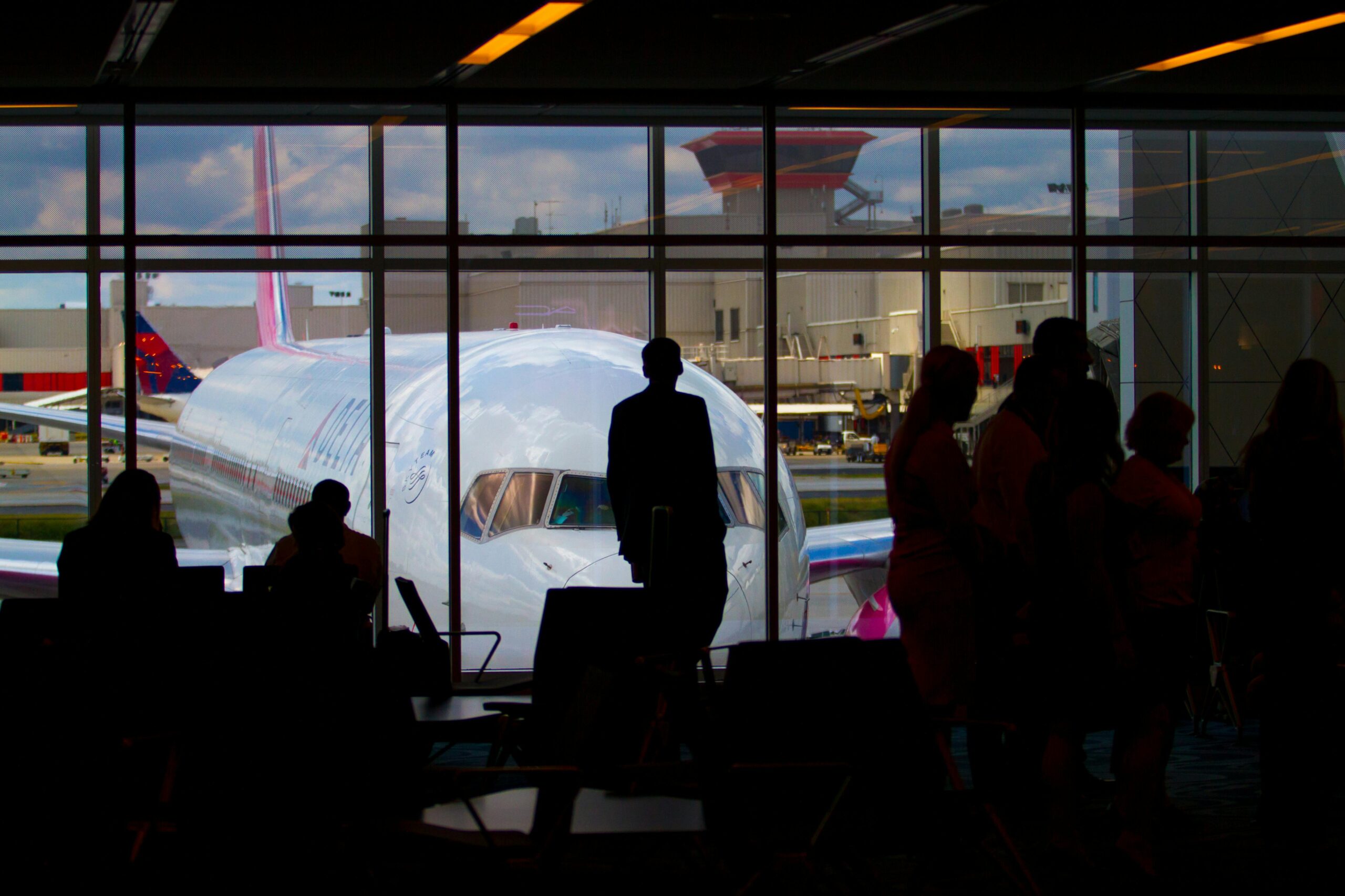
You board with a phone, a charger, and a thin patience for dead time. Airports run on queues, gates, and tiny negotiations with your own attention. A table game fits that mood because it gives structure fast. You get clear rules, quick feedback, and a finish line that arrives every minute or two, even when the flight clock barely moves.
That fit shows up in the numbers around mobile habits. Industry tracking keeps pointing at the same centre of gravity: people spend leisure time on the device already in their hand. Newzoo put mobile at 49 percent of global games revenue in 2024, which is the bluntest explanation for why “tap to play” won the travel lounge.
Table games travel well now because the casino travels too, and it sits inside a regulated software wrapper. On a trusted site like Jackpot City casino, the basic idea stays simple: you open an account, prove identity, choose a game, and play against a random number generator for digital tables or a live dealer feed for streamed tables. The parts that matter sit behind the curtain, where licensing and testing live.
Travel turns that any potential trust problem into something practical. A person plays in a hotel room, on airport Wi-Fi, maybe on a borrowed data plan, so the site has to behave like a bank more than a bar. That is why identity checks, payment rails, and responsible gambling tools keep getting pushed into the same onboarding funnel as the games themselves, even when it feels like friction.
Why table games beat feeds and puzzles on the road
A feed asks for attention and offers very little back, so travel scrolling can feel unrewarding. A table game gives a loop with a start, a decision, and an outcome, which makes it oddly soothing in ugly transit time. Blackjack does that in the cleanest way. You see one card, you decide, and the dealer resolves it. The strategy layer stays available, but the surface remains simple enough for a tired brain.
There is also a money logic that makes the format feel “adult,” even when someone plays tiny stakes. In Great Britain, online gambling generates large revenue, with the Commission’s annual report showing remote casino, betting, and bingo at £7.8 billion GGY in the year to March 2025, up from the prior year, and online casino around £5 billion in that remote figure. People follow where the market goes, and the market has followed the phone.
Leave the deck at home, or bring it and sharpen your edge
A phone replaces the old travel kit, yet a physical deck still has a use, especially if someone wants to get better at decision making. A deck lets a traveler rehearse blackjack totals, hand reading, and pace management in a way that feels like muscle memory rather than study. It also makes the “house edge” concept less mystical because cards feel finite.
Online play adds convenience, but it also adds speed. That sounds like a perk until a session starts to run too hot. On the road, the smart move is to treat speed as a risk factor, the same way a driver treats rain. Many regulated operators now push limit tools and self exclusion options because travel play often happens in private, where nobody is watching for drift.
A simple travel routine that keeps the fun clean
The point is entertainment, so the routine has to protect that point. A table game can feel classy and controlled right up until it stops feeling that way, and travel stress can push that shift faster than people expect.
- Pick one game for the whole trip, then stick to it. Familiarity cuts mistakes, and mistakes cost more than boredom ever did, especially when the lounge is loud and the connection stutters.
- Use rules as a filter. For blackjack, look at deck count and whether the dealer hits soft 17. Those details drive expected value more than vibe does, and they vary by operator and table.
- Treat live dealer as a “cinema ticket” and RNG tables as a “paperback.” Live streams add pace control and social texture, but they also lean on bandwidth and attention. RNG tables suit short gaps and bad Wi-Fi.
- Set a session cap that matches the travel day. A long haul delay feels like infinite time, but fatigue turns decisions sloppy, and sloppy play produces the kind of regret that follows a person to the gate.
- Check licensing and testing info the way a person checks a hotel review. A UK operator should sit under the Gambling Commission, and the testing ecosystem exists for fairness assurance, even if the logos feel like wallpaper.
The bigger picture is convenience, and convenience always wins
This shift tracks the wider consumer move toward “bring your own device” travel. Industry writeups tied to IATA’s 2025 Global Passenger Survey show how strongly passengers want phones to handle more of the journey, with 78 percent wanting a smartphone that combines key functions like wallet and identity for travel processes. The same instinct feeds entertainment choices. When the device becomes the travel remote control, it also becomes the travel arcade.
So table games became perfect travel entertainment for one plain reason: they compress a full experience into a small screen, then deliver it in repeatable rounds that suit fragmented time. A traveler gains a pocket-sized ritual that works in a queue, in a quiet corner, or in a hotel chair that feels like it was designed by an enemy.
