A hike can feel easy at the trailhead and very different after several hours of uneven ground. Your feet carry you through loose stones, muddy patches and long descents, so footwear deserves more thought than its appearance alone. The right pair should suit the route, fit securely with the socks you plan to wear and remain comfortable when your feet are tired. That does not mean every walk requires a heavy boot. A short, dry trail and a demanding, wet route ask different things of a shoe. This guide explains how to judge grip, fit, support and weather protection before you commit to a pair.
Start with the walk, not the shoe
Picture the hardest part of your planned hike. Is the path maintained and mostly level, or will you cross rock, loose soil and steep slopes? Consider how long you expect to walk, whether you will carry a loaded pack and how likely the ground is to be wet. A light, flexible shoe may be pleasant on a simple day walk, while a tougher boot can feel more reassuring on rougher ground. Neither choice is automatically safer: your footing, pace and familiarity with the route matter too.
Think about the journey to and from the trail as well. If you will travel in the same shoes, comfort on firm ground matters; if you can change footwear at the start, you may accept a more specialised sole. A route can also change underfoot within a short distance: a dry approach may lead to shaded mud, and a broad path may narrow onto stones. Plan for the conditions that would make poor footwear most troublesome, not just the surface you expect to see first.
It helps to compare designs before focusing on a particular label. Men’s Shoes listings let you look at sole patterns, upper materials and ankle heights side by side, then narrow your search to footwear suited to your route. Treat a product description as a starting point and ask for clear photos of the actual pair, especially its soles and interior.
Trail shoe or hiking boot?
Trail shoes generally feel lighter and more flexible than traditional boots. They can be a comfortable choice for established paths, warm conditions and hikers who prefer a natural stride. Their lower cut also makes them easier to wear in everyday settings. The trade-off is that a soft upper may offer less protection when you scrape against stones or push through rough vegetation.
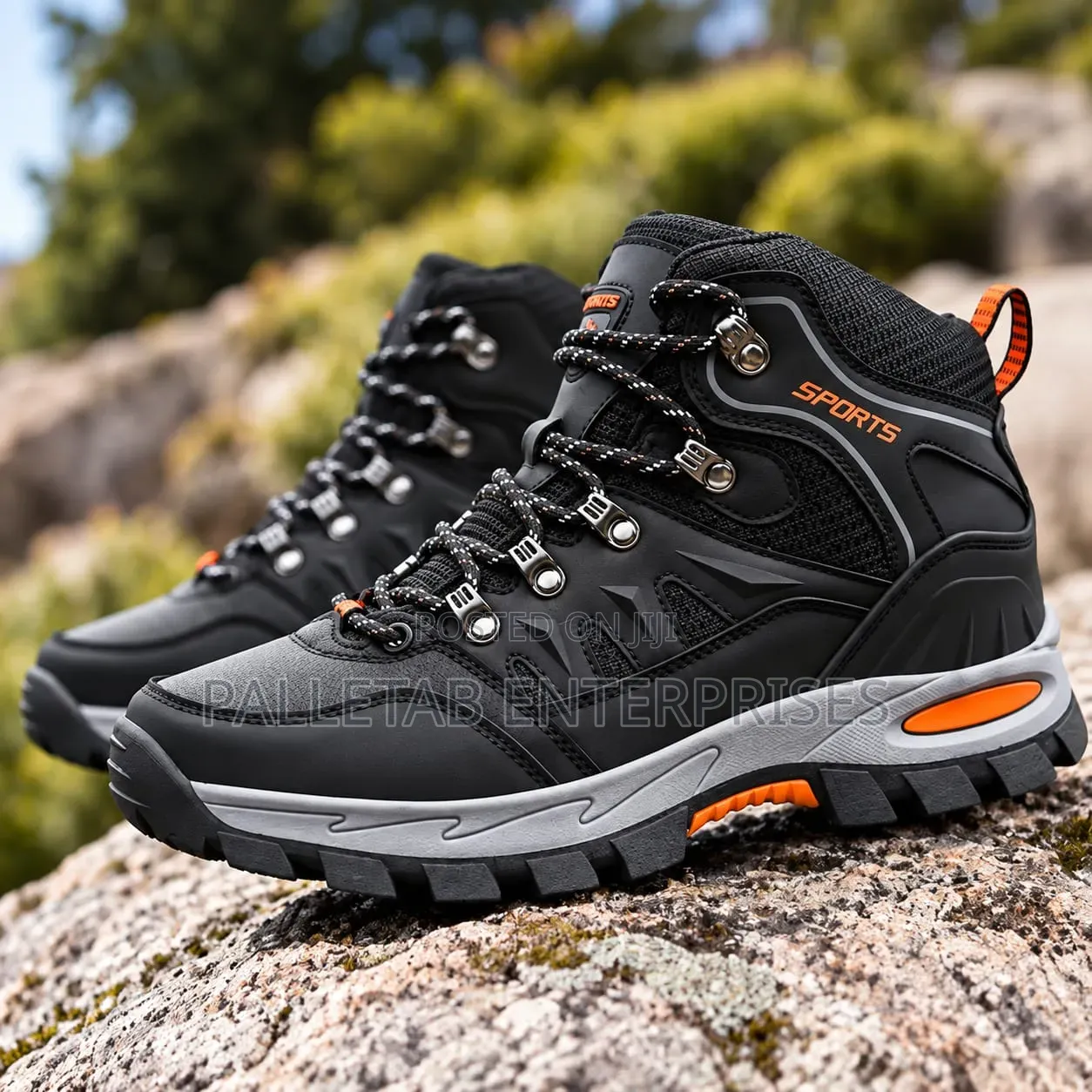
Hiking boots often have a sturdier upper and a more protective toe. Some extend above the ankle, which can help keep grit out and give a secure feel under a pack. An ankle-high collar does not replace good balance or prevent every twist, however. Boots can also feel hot or stiff if chosen for a gentle walk. Pick the level of protection you need, then find the lightest pair that still feels stable on the terrain you expect.
Get the fit right before anything else
Fit is personal, and the size printed on a box cannot tell you whether a shoe will work on your foot. Try both shoes with the socks you will actually hike in. Lace them as you would on the trail, stand up and walk for several minutes. Your heel should feel held rather than lift noticeably at every step, while your toes should have room to spread without the front of the shoe feeling sloppy.
Pay particular attention to the front when walking downhill. If your toes strike the end with each step, they may become sore over a longer descent. A tight band across the widest part of your foot is another warning sign; do not count on a painful pair becoming comfortable after a few hikes. Check for rubbing at the heel and around the ankle, and compare how both feet feel. If one foot is slightly larger, fit that foot first.
Try adjusting the laces before rejecting an otherwise promising pair. Snug lacing can reduce heel movement, but it should not make the top of your foot ache or cause tingling. If the shoe only feels secure when you pull it painfully tight, its shape may be wrong for you. Comfort in the shop or at home is only a first test, so wear new footwear on short walks before relying on it for a long outing.
Look closely at the sole
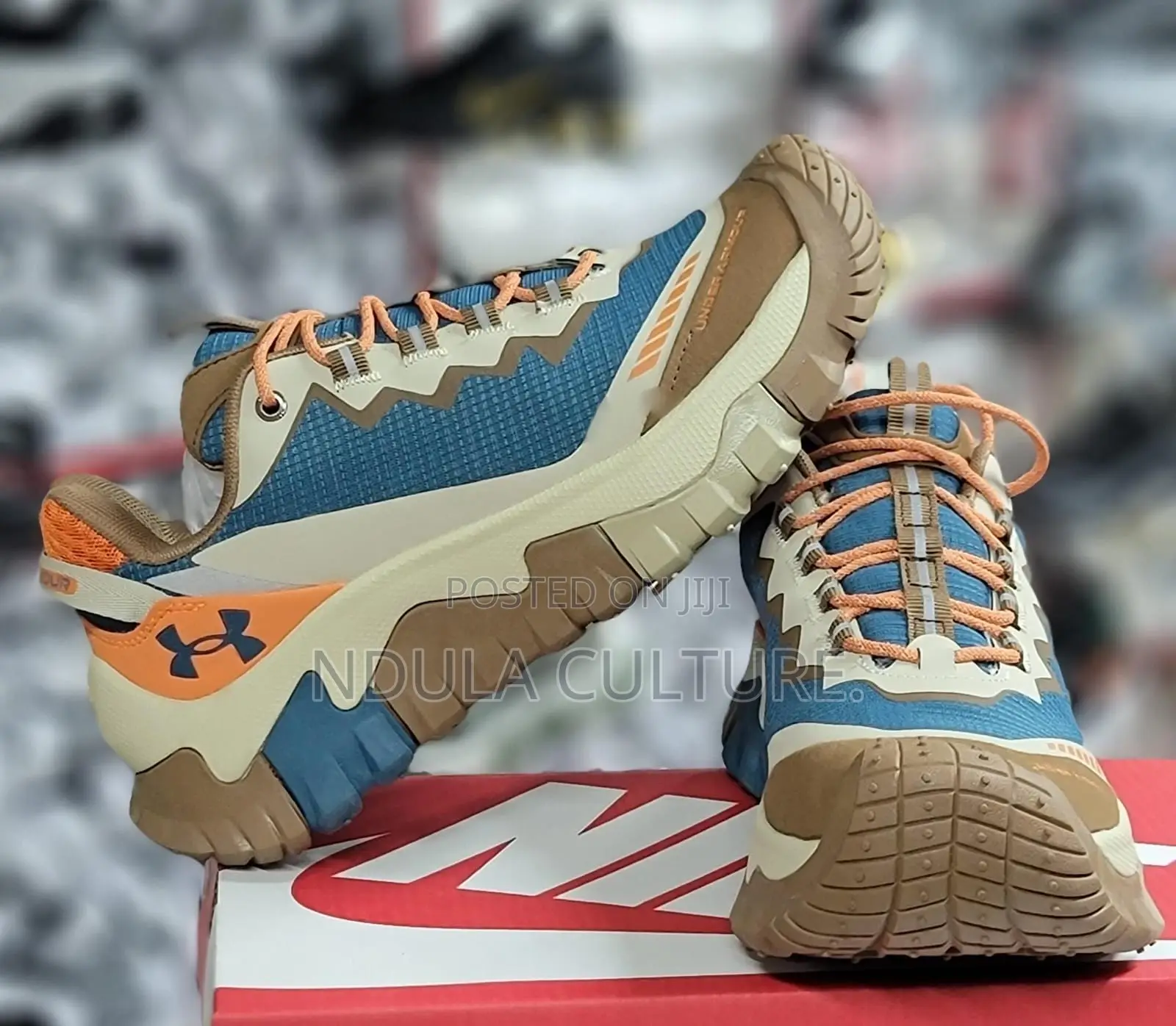
A hiking sole needs to grip the surfaces you expect, and its tread should be more than a decorative pattern. Deep, open lugs can shed loose dirt or mud more readily, while a sole with plenty of contact area may feel steadier on firm paths and rock. No tread grips every wet surface equally. Smooth stone, wet roots and loose gravel still call for shorter steps and careful foot placement.
Feel how the shoe bends. A very flexible sole can make a smooth trail feel easy, but on sharp stones you may want more protection underfoot. A very stiff sole can protect and support a loaded step yet feel tiring on simple paths. The best balance depends on both the route and what feels natural to you. Examine the heel and edges of the outsole for wear, especially if you are considering a used pair.
Choose weather protection with its limits in mind
Water-resistant or waterproof footwear can be useful when rain, damp grass or shallow puddles are likely. It also tends to be warmer and may dry slowly if water enters from the top. In hot or dry conditions, a breathable shoe may feel better and recover more quickly after a brief soaking. Think about the season and route rather than treating a waterproof label as an automatic upgrade.
Check how the tongue joins the upper, whether the seams look sound and where water could enter. A high boot can help in grass or shallow mud, but it will not make a deep stream crossing dry. Carrying spare socks can matter as much as the shoe itself. If your walk may involve persistent rain or slippery ground, adjust your route and pace as well as your footwear.
Check a second-hand pair carefully
Used hiking footwear may be worth considering if it is in genuinely sound condition and fits well. Ask for photos of the outsole, heel lining, toe area and both sides of each shoe. Uneven tread wear can hint at how the pair was used; worn-down lugs reduce the grip you are buying it for. Look for peeling soles, cracked material, damaged eyelets and stitching that has come loose.
When you inspect the pair in person, press along the sole edges and flex each shoe gently to see whether the upper and sole stay firmly joined. Check the inside for flattened padding, rough seams and persistent dampness. Do not assume an appealing exterior means the cushioning still feels right. If you cannot try the pair on with hiking socks, ask about the exact fit and the seller’s return conditions before deciding.
Test and care for the pair before a big walk
Give new footwear several shorter outings, including some slopes if your planned hike has them. This lets you spot pressure points, practise lacing and learn how the sole behaves on different surfaces. Increase walking time gradually. A pair that feels fine for a brief errand may reveal a problem once your feet warm up or you start descending. If discomfort persists, reconsider the fit rather than forcing yourself through it.
After a walk, remove mud, loosen the laces and let the shoes dry in moving air. Take out removable insoles if they are damp. Avoid placing the pair against intense heat, which can be hard on materials and adhesives. Follow the maker’s care advice for the upper, and inspect the outsole before the next outing. Simple maintenance helps you notice damage before you depend on the shoes far from home.
A quick decision checklist
- Route: Match the shoe to the roughest ground and likely weather, not just the easiest part of the walk.
- Fit: Try both shoes with hiking socks, check heel hold and leave room for your toes on descents.
- Grip: Inspect the tread and remember that wet rock and loose ground still demand care.
- Protection: Choose enough sole and upper protection for your load without adding needless stiffness.
- Condition: For a used pair, inspect wear, seams, lining and the bond between upper and sole.
- Trial: Walk in the pair before a long hike and deal with rubbing as soon as it appears.
The bottom line
The best hiking footwear is the pair that fits your feet and your actual route. Start with terrain and weather, then test fit, sole grip and underfoot feel with the socks and load you plan to use. Inspect any used pair closely and allow time for shorter trial walks. No shoe can remove every trail hazard, but a well-chosen, well-maintained pair can help you move more comfortably and pay attention to the path ahead.
